A conversation with partners of the Civil Peace Service in Ukraine
On the evening before the fourth anniversary of Russia's attack on the whole of Ukraine, we report on the people in the country and the indispensable work of civil society for resilience and cohesion. This winter of war has been the worst yet, with almost daily attacks on residential areas and civilian infrastructure, cold weather and power cuts. People are deeply exhausted, but they continue to stick together. However, this cohesion is being tested again and again.
How is the ongoing war of aggression changing Ukrainian society? What are the Ukrainian civil society partners of the Civil Peace Service doing in times of war? And how do they see the future?
We will be talking about this with:
Svitlana Osipchuk, Director of the War Childhood Museum Kyiv
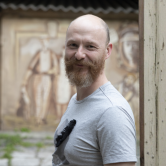
Dmytro Kovbasiuk, founder of the School of culture of neighbourhood, coordinator of "Neighborhood Bridges" project and head of Zatsikavleni NGO, Odesa
Zornitsa Popova-Glodzhani, Country Director Ukraine, Pro Peace
Moderator: Christoph Bongard, Head of Communications & Policy at Pro Peace
Date: 23 February 2026 | 6:00 p.m. – 8:00 p.m.
Location: REFO Moabit (Saal), Wiclefstraße 32, 10551 Berlin
The War Childhood Museum Ukraine offers a unique space for remembrance and dialogue. The museum collects and presents stories of children who have suffered from war and displacement, enriched with personal items such as toys. The War Childhood Museum plays an important role in Ukraine's culture of remembrance. It serves as a place of reflection and understanding. The museum contributes to the society's understanding of the often overlooked effects of war on the youngest and most vulnerable members of society.
Dmytro Kovbasiuk
Dmytro Kovbasiuk's School of culture of neighborhood movement is working to restore the courtyards of Odesa to what they once were: centres of social life. Through art, culture and engagement, they are once again becoming the heart of the local community. This cohesion is more important than ever in times of Russia's war of aggression.